Case Studies
Delivering for the public, patients and public sector staff
Our members represent over two-thirds of the Public-Private Partnership sector in the UK.
They have invested into public sector buildings - from hospitals to health centres, from schools to colleges, from transport to renewable energy. PFI supported more than 700 public infrastructure projects from the late 1990s.
These projects were three times as likely to be built on time and on budget when compared to traditional public procurement, according to a census by the National Audit Office and a Government survey.
PFI contracts ringfenced maintenance, to protect buildings for the future. HM Treasury reported that PFI assets "are maintained to a high standard throughout their lives", and an NAO survey found that “maintenance standards were higher under PFI" when compared to the public estate. This compares to a £49bn maintenance backlog in the non-PFI estate.
Although not all AIIP members, there are some excellent examples of private investment in Neighbourhood Health Centres here: Neighbourhood Health Forum. The Neighbourhood Health Forum has over 20 years experience in the delivery of neighbourhood health in the NHS, bringing together ten private sector organisations who collectively represent over £7bn of health infrastructure, across more than 1,000 community facilities and health buildings.
A selection of case studies from AIIP members is below.
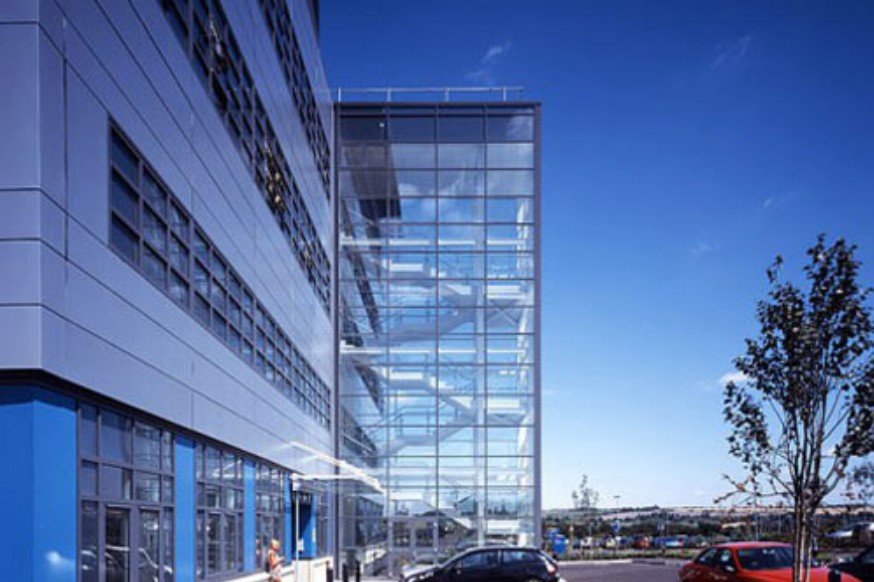
Queen Mary’s Hospital, Roehampton - Aberdeen Investments
Queen Mary’s Hospital, a PFI site which has operated successfully since it was rebuilt in 2006, serves as a cornerstone of community healthcare in Roehampton. The consortium of Equitix, Aberdeen Investments, and Sodexo, ensures seamless service delivery. The hospital delivers exceptional care in partnership with NHS Property Services and St George’s University Hospitals NHS Foundation Trust.
The hospital offers a wide range of services, including diagnostic outpatient clinics, specialist rehabilitation, inpatient beds, outpatient mental health services, and advanced day surgery facilities. Operational excellence is evidenced by consistently low service failure points and overwhelmingly positive user feedback, with a 2024 satisfaction survey showing 95% of respondents rating services as excellent.
Queen Mary’s exemplifies flexibility within the PFI framework, consistently implementing initiatives that drive cost savings and improve patient care. Recent initiatives include scope changes that have delivered substantial cost savings of over £300,000 across 6 years for the NHS and the repurposing of an ultrasound scanner to enhance healthcare provision.
Community engagement is central to the hospital’s mission. Initiatives like school visits with interactive experiences and demonstrations of medical equipment to pupils and well-being projects such as the Zen Bus strengthen its ties with the community. It includes mental health and wellbeing sessions via a mobile sanctuary in the hospital car park at no charge.
Additionally, its specialised prosthetics and orthotics facilities are recognised as a leading UK centre. Consistently achieving accolades, including Trust Values Awards and Platinum Accreditations, Queen Mary’s demonstrates excellence in operational delivery, strong partnership working, and community impact, making it a model PFI project.
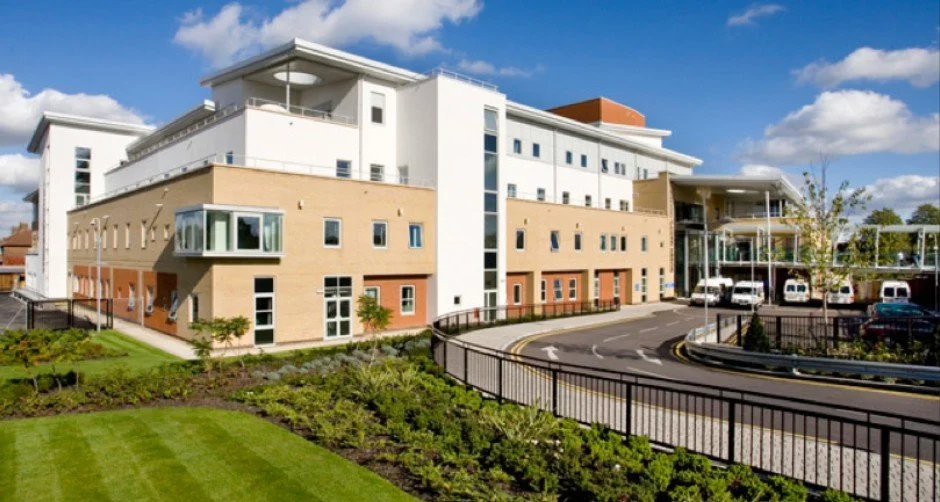
Royal Papworth Hospital, Cambridge - Equitix
Royal Papworth Hospital NHS Foundation Trust partnered with NPH Healthcare (an operational consortium including Equitix, OCS and Skanska) to design, build and operate a £162m PFI hospital that became operational in 2019. The project now enjoys the benefit of strong relationships, partially thanks to its best practice contract management process, and a high-quality facility allowing Royal Papworth to maintain its leading position in the delivery of heart and lung specialist care.
The hospital is CQC rated ‘Outstanding’ across all categories - the first ever hospital trust to achieve this, with patient survey feedback placing it amongst the top trusts nationally. Robust reporting, monitoring and meeting structures have been established to drive non-adversarial, consistently high standards with embedded shared values and behaviours; culminating in the creation of a ‘Team Royal Papworth’ culture. The hospital won a Partnerships award in 2024 in the Best Operational Healthcare Asset category. This was a joint submission from all project parties, centred on collaborative working.
In 2023, the parties undertook a successful soft FM benchmarking exercise and developed a Joint Efficiency Group, enabling continuous improvements, including the achievement of a circa 30% reduction in excess food orders and waste.
In summary, through collaborative working between all project parties, Royal Papworth is a fantastic example of a health project where the benefits of PFI structures can be realised to deliver an excellent and compassionate service for patients.
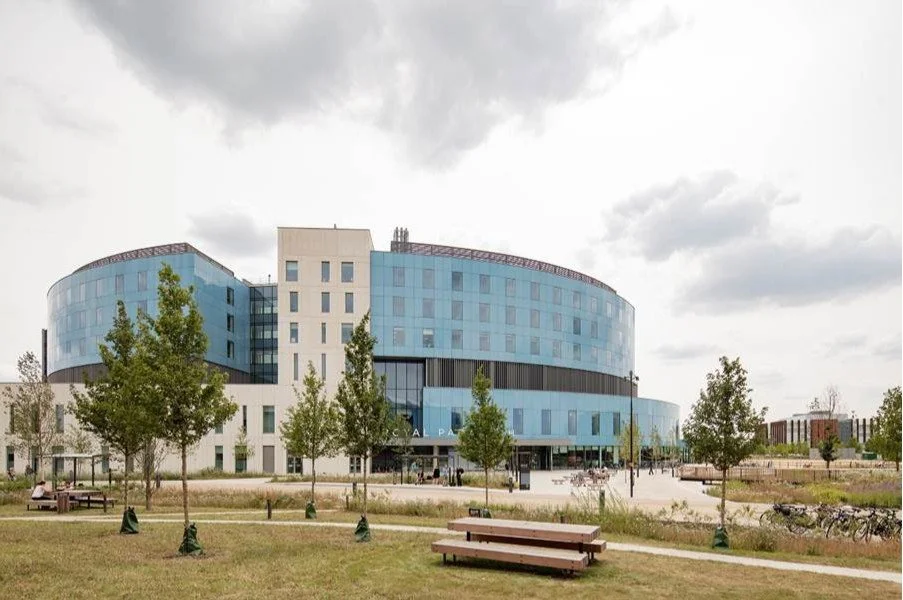
Community Health Centres in North West - Fulcrum (Meridiam)
Owned by health investor Fulcrum, part of Meridiam, Renova Developments was set up in 2004 to partner with the NHS to deliver neighbourhood health facilities across the North West under the NHS LIFT Programme.
Over the last 20 years Renova has delivered 17 community health centres, offering a ‘one stop shop’ of vital services that have continued to adapt to changing local health needs – this has included bringing specialist services like breast screening, birthing suites and dementia care into a neighbourhood setting, demonstrating exactly the shift towards community care the Government is looking to achieve.
The key to the success of these buildings has been the very strong relationship established from the outset between the public and private sectors, with both teams being co-located in the same office – this has allowed the partnership to develop and deliver a pipeline of health centre projects; drive cost efficiencies through regular lessons learnt; and work together to resolve issues as they arose.
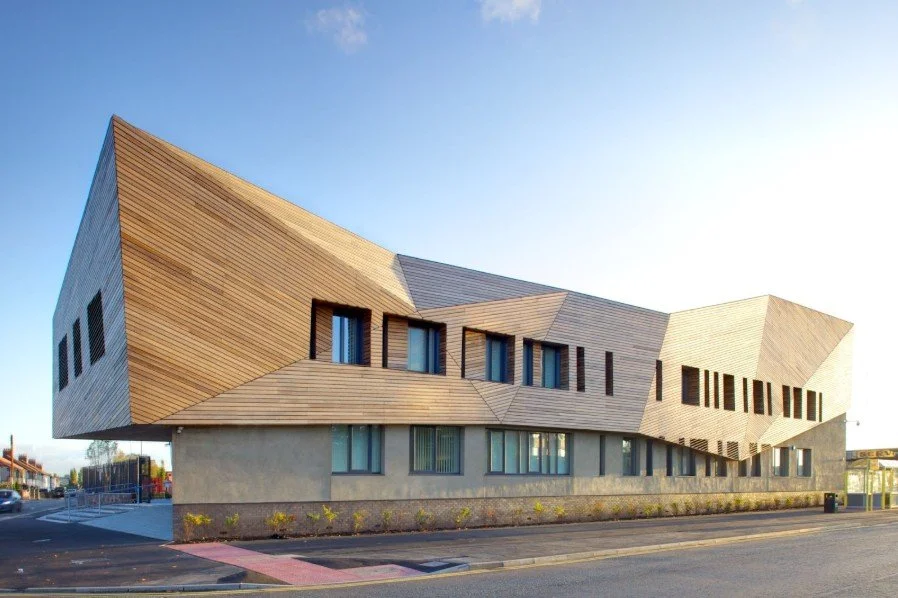
Peterborough City Hospital - InfraRed Capital Partners
Peterborough City Hospital is regarded as the City’s most significant building project since the cathedral was built in 1238. The hospital was procured under PFI to replace Peterborough District Hospital and the Edith Cavell Hospital. It was built by Multiplex at a cost of £340 million and opened to patients in November 2010, three months ahead of schedule.
Opened in 2010, the Peterborough healthcare campus comprises a 612-bed, 22-theatre Major Acute Hospital, a 98-bed Mental Health Unit, a 39-bed City Care Centre, and a helicopter pad. Managed by InfraRed Capital Partners and Equitix through the Special Purpose Vehicle (SPV), the hospital serves the community across Peterborough, north Cambridgeshire, east Northamptonshire, south Lincolnshire, and Rutland.
To meet the needs of a growing population and the evolving healthcare demands of the community, the SPV has constructed an additional 92 beds over the past fourteen months delivered through the contractual Variation mechanism.
In February 2023, a woodland area on the hospital site was redeveloped to benefit staff, patients, and visitors while supporting biodiversity. After eight months of work by the SPV and FM Co, the area was transformed with 1,200 bulbs from 16 species, new hedgehog houses, bug habitats, and a tranquil space for staff and visitor respite.
In 2024, the SPV and supply chain refurbished the hospital restaurant. Designed, delivered and funded by the PFI supply chain, now offering an improved dining and social spaces for patients, families, and staff, alongside an updated menu which focuses on seasonal changes.
The hospital is advancing towards Net Zero with new heating pumps and LED lighting, reducing carbon emissions and costs for the NHS. The SPV’s leadership in decarbonisation was recognised when the National Infrastructure & Service Transformation Authority selected the project as the first PFI healthcare scheme to pilot its 2023 Decarbonisation of Operational PFI guidance.
The SPV co-hosts an annual charity ball with the Peterborough City Hospital Charity Team, covering event costs so all proceeds benefit the charity. To date, over £60,000 has been raised, with recent funds supporting the Cancer Wellbeing Centre.
InfraRed, in partnership with Vercity and Equans, also runs a scheme providing prisoners with work experience to refurbish bikes destined for landfill. These bikes—and other equipment such as laptops and desks—are donated to low-income NHS staff, their families, and Ukrainian refugees.
The success of these initiatives is underpinned by a “one team” ethos between the SPV, its supply chain and NHS Trust leadership, fostering a culture of partnership, collaboration, and shared achievement. The high performance culture has been driven and supported by the innovative and well managed digital systems which allow for a transparent and efficient method of maintaining high levels of performance and assurance for our public sector partners.
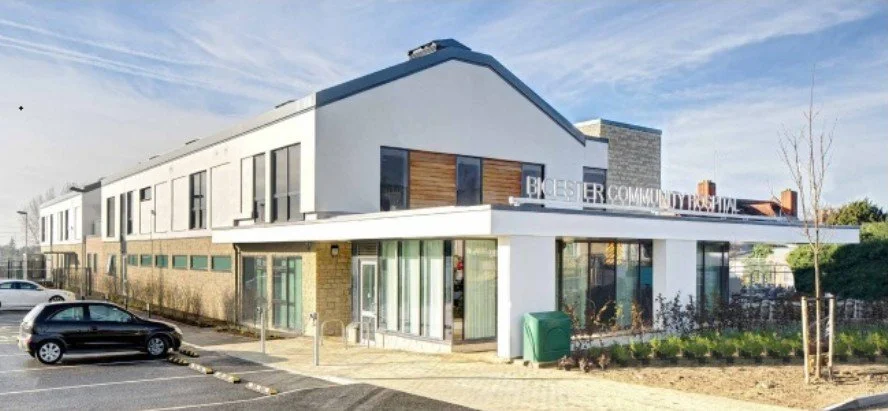
Bicester Community Hospital - Kajima
To meet the needs of population growth associated with around 7,800 new homes in Bicester, NHS Oxfordshire sought to redevelop its current healthcare estate, which dates back to Victorian times and was too small and unfit for purpose. The Trust aimed to develop a highly functional and sustainable local hospital, a goal that the local community had been championing for years. Operational since 2014, Kajima’s role was investor, developer and manager.
The new hospital is central to the delivery of new care pathways developed by the NHS, resulting in benefits to the patient and cost savings by the inclusion of an Ambulance Base, First Aid Unit, out-of-hours and outpatient areas, 12 in-patient rooms arranged around a therapy garden, imaging and physiotherapy, offices and a community base. The new hospital ensures that these services can be provided locally, avoiding the need for some patients to travel to Oxford.
The design approach for the development took into account the need to maintain uninterrupted operation of the existing hospital during construction as well as potential future flexibility for service changes – single-storey elements which could be increased to two-storey, with foundations already prepared for this during construction, capacity for additional utility provision and patient room combinations of one and two bedrooms, allowing for future alternative or supplementary use i.e. day procedures with observation beds.
The site also comprises a sensitive and low-density residential development of 14 houses, built on surplus land following the completion of the hospital site. The residential element, designed in a style and scale suitable for the location, contributed to the project’s affordability. The overall development achieved a BREEAM ‘Excellent’ rating for renewable energy provision, through its PV arrays installed on the roof.
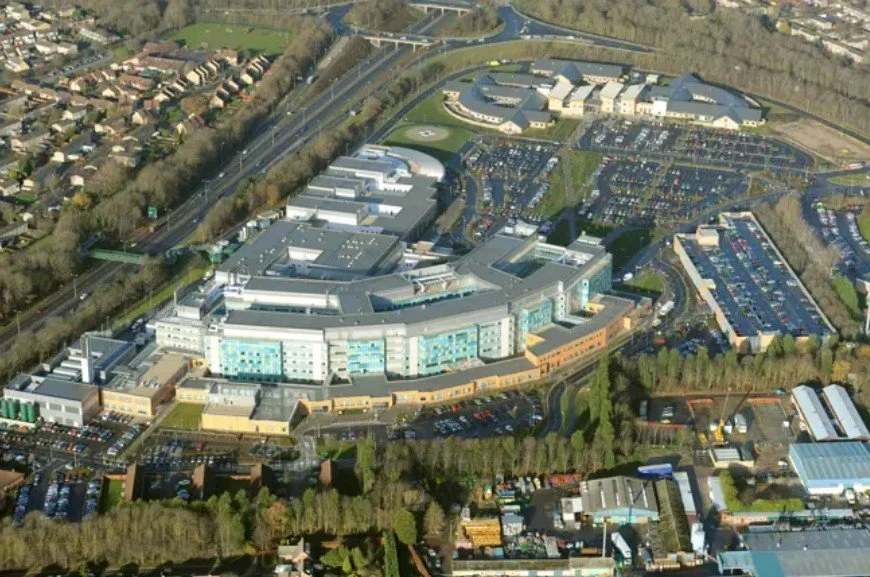
Great Western Hospital, Swindon - Semperian
The Great Western Hospital is a district general hospital that opened in December 2002 on a green field site, replacing the Princess Margaret Hospital in Old Town, Swindon. The facility was extended in 2005 by the construction of a diagnosis and treatment centre that added 120 beds to the initial 550. The buildings lend themselves well to the changing needs of the Trust, with the extension of the cardiac care facility and the creation of a ‘home from home’ birthing centre, incorporated into the hospital site.
THC is wholly owned by Semperian, managing the on-going obligations of the PFI project, which is scheduled to be handed back in 2029. The hospital was constructed by Carillion and FM services are provided by Serco. As part of its obligations, THC manages the facilities contract which includes estates management, catering, mail delivery, cleaning, security services and a 24/7 customer help desk.
Since opening there have been many energy related initiatives that have led to a reduction in energy consumption, which continue to be a high priority. THC continues to support the Trust towards their net zero commitments, notably through the life cycle replacement programme ensuring the equipment is of the most efficient available.